










YouTube Converter: A Complete Guide to Video and Audio Conversion
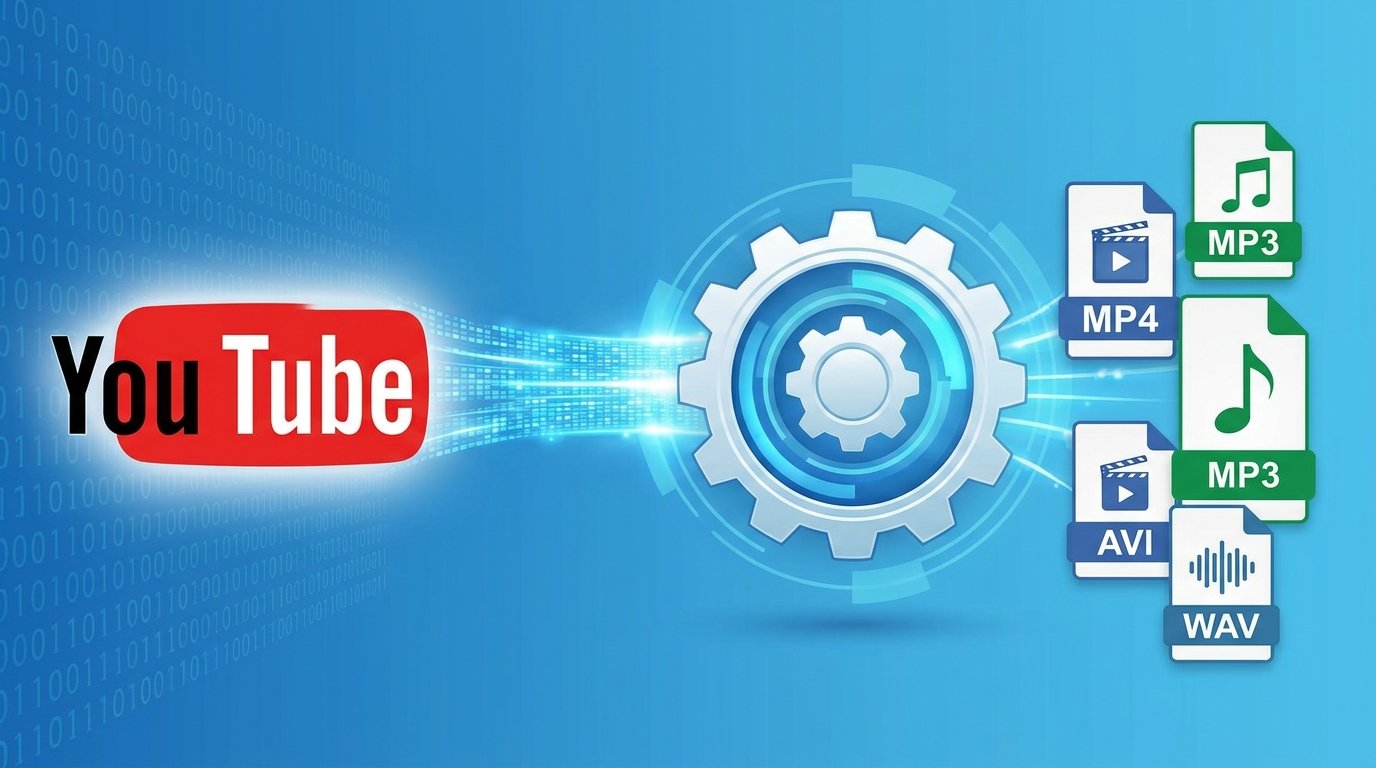
A youtube converter is a tool designed to convert video or audio content into different digital file formats for compatible and authorized uses. People commonly search for these tools when they need a video in a more convenient format, want to extract audio from content they have permission to use, or need files that work better across phones, computers, tablets, and media players. Popular output formats may include MP3 for audio and MP4 for video, although available options vary depending on the software or service being used.
The popularity of online media has made file compatibility increasingly important. A video format that works well on one device may not always suit another application, editing program, or storage requirement. This is where conversion technology can be useful. However, users should understand quality, security, copyright rules, and platform terms before converting or downloading online content. This guide explains how these tools generally work, their important features, common formats, safety considerations, and legitimate alternatives.
Quick Overview of YouTube Converter
| Feature | Details |
|---|---|
| Main Purpose | Convert compatible video or audio into another file format |
| Common Audio Format | MP3 |
| Common Video Format | MP4 |
| Tool Types | Online, desktop, and mobile solutions |
| Typical Uses | Format compatibility, offline file management, editing, and archiving authorized content |
| Common Quality Options | 480p, 720p, 1080p, and sometimes higher resolutions |
| Installation | Not always required for browser-based tools |
| Key Considerations | Security, privacy, quality, copyright, and platform terms |
| Suitable Devices | Computers, smartphones, and tablets, depending on the tool |
| Important Rule | Only download or convert content when you have the right or permission to do so |
What Is a YouTube Converter?
A youtube converter generally refers to software or an online service capable of processing supported video content and converting it into another file format. Depending on the tool, users may be able to select an audio format such as MP3 or a video format such as MP4.
The concept of file conversion is broader than YouTube itself. Digital files use different containers, codecs, resolutions, and compression methods. Conversion makes it possible to create a version of a file that better matches a particular device, media player, editing program, or storage requirement.
Online converters typically operate through a web browser, while desktop applications are installed directly on a computer. Desktop software may offer additional controls, but online services can be convenient because they usually require less setup.
How Does a YouTube Converter Work?
The basic process behind a youtube converter is relatively straightforward from the user’s perspective. A compatible source is identified, the desired output format is selected, and the software processes the media into the chosen format.
Behind the scenes, the process can be more complicated. A conversion system may analyze the original media stream, decode its audio or video data, and then encode that information into a new format. The exact process depends on the source, output format, quality settings, and software.
Conversion does not necessarily improve the original media quality. If the source video is low resolution or heavily compressed, selecting a higher output resolution cannot magically restore details that were never present in the original.
Users should also remember that technical capability does not automatically mean they have permission to download or convert every online video. Copyright rules, licenses, creator permissions, and platform terms still apply.
YouTube to MP3 Conversion Explained
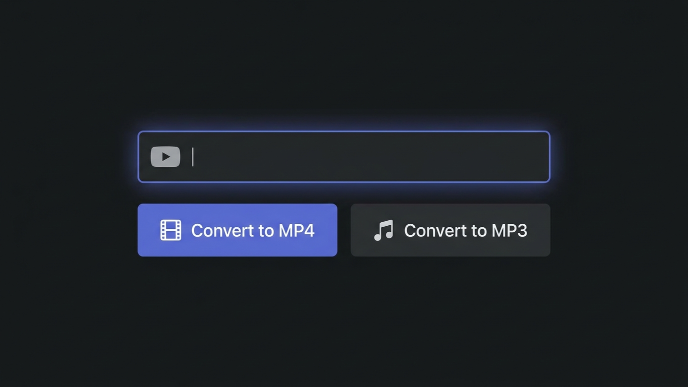
One of the most common searches associated with a youtube converter is YouTube to MP3. MP3 is an audio format widely supported by computers, smartphones, car audio systems, and many portable media players.
Audio conversion can be useful when dealing with content that you own, created yourself, have permission to download, or that has been distributed under a license allowing such use. Examples could include your own recorded presentations, authorized educational material, or appropriately licensed media.
Audio quality is an important consideration. MP3 files can use different bitrates, and higher bitrates generally preserve more audio information while creating larger files. However, converting low-quality source audio at a high bitrate does not genuinely recreate missing sound detail.
YouTube to MP4 Conversion Explained
MP4 is among the most widely recognized digital video formats. A youtube converter offering MP4 output may be useful when an authorized video needs to be stored in a format compatible with a wide range of devices and media players.
MP4 can contain video, audio, subtitles, and other information within one container. Its broad compatibility is one reason it is commonly used for online video and personal media libraries.
Resolution is another major consideration. Depending on the original source and conversion software, options may include 480p, 720p, 1080p, or higher. Choosing the highest number is not always necessary. Larger resolutions usually require more storage space and processing resources.
For phones with limited storage, a smaller authorized copy may sometimes be more practical. For large monitors or televisions, higher-quality source material may provide a better viewing experience.
MP3 vs MP4: What Is the Difference?
Understanding MP3 and MP4 is essential when choosing conversion settings. Although their names appear similar, they serve different purposes.
| Feature | MP3 | MP4 |
|---|---|---|
| Primary Use | Audio | Video and multimedia |
| Contains Video | No | Yes |
| Common Use | Music, speech, podcasts | Videos and multimedia |
| File Size | Often smaller | Usually larger |
| Device Support | Very broad | Very broad |
| Best Choice When | Only audio is required | Video and audio are required |
If someone needs only an authorized audio track, MP3 may be appropriate. If both picture and sound are required, MP4 is generally the more suitable choice.
Online YouTube Converter vs Desktop Software
An online youtube converter operates through a web browser and may not require traditional software installation. This convenience is one reason browser-based conversion tools attract users.
However, online services can have limitations. Some may impose restrictions on file size, conversion length, output quality, or daily usage. Their performance can also depend on internet speed and server availability.
Desktop conversion software is installed locally and may offer more advanced controls. Depending on the application, users may have access to bitrate settings, resolution options, codec selection, batch processing, or file-management features.
Privacy is another consideration. With an online service, some processing may occur on external servers. Local desktop tools can sometimes process files directly on the user’s computer. Users should examine privacy policies and permissions before choosing either approach.
Important Features to Look For
A useful youtube converter or general media conversion application should be evaluated on more than speed. File-format support is one of the first things to consider. A good solution should clearly explain which input and output formats it supports.
Quality controls are equally important. Users may want the ability to choose appropriate audio bitrate or video resolution rather than accepting one fixed setting.
Ease of use also matters. A clean interface, understandable controls, clear file information, and transparent processing steps can make conversion much easier for beginners.
Security should be treated as a priority. Reputable tools should not pressure users into installing unrelated browser extensions, unknown applications, or unnecessary software.
Is a Free YouTube Converter Safe?
Not every free youtube converter offers the same level of safety. Some websites and applications may rely heavily on advertising, pop-ups, redirects, or bundled software. Users should therefore be cautious when choosing unfamiliar services.
Unexpected executable files are a warning sign when someone expects a normal media file. Users should also be careful with websites that request unnecessary personal information, payment details for supposedly free functions, or excessive browser permissions.
A trustworthy-looking design alone does not guarantee security. Checking the reputation of software, keeping browsers and security tools updated, and reading installation screens carefully can reduce unnecessary risk.
If a service repeatedly redirects to unrelated pages or asks users to disable security protections, avoiding that service is generally the safer decision.
Does Conversion Affect Video or Audio Quality?
Conversion can affect quality because many media formats use compression. When a file is re-encoded, some information may be discarded depending on the selected codec and quality settings.
A youtube converter cannot create genuine detail that is missing from the original source. For example, converting a low-resolution video into a file labeled 1080p does not automatically make it equivalent to a true high-definition source.
The same principle applies to audio. Encoding low-quality audio at a very high bitrate may increase file size without significantly improving how it sounds.
For the best practical result, output settings should generally match the quality and characteristics of the authorized original source rather than unnecessarily upscaling it.
Why Conversion Speed Can Vary
Users often expect conversion to happen instantly, but several factors can affect processing speed. The duration of the video, source quality, output resolution, codec complexity, internet connection, server load, and computer performance can all influence how long the process takes.
A short standard-definition clip may process much faster than a long high-resolution recording. Desktop conversion can also depend heavily on processor and graphics hardware.
Speed should not be the only factor when selecting a tool. A slightly slower application with clear privacy practices and reliable output may be preferable to an unknown service promising instant results.
Device Compatibility and File Formats
Compatibility is one of the strongest reasons people use media conversion tools. Different devices and applications may support different combinations of formats and codecs.
MP3 remains widely compatible for audio, while MP4 is broadly supported for video. However, the file extension alone does not always tell the complete story because codecs inside the container can also affect playback.
Before converting a file, users should check the requirements of the device or application where they intend to use it. This can prevent unnecessary conversions and avoid wasting storage space.
Modern media players support many formats, so conversion may not always be necessary.
Common Problems With YouTube Converters
Users may encounter several issues when using a youtube converter. A conversion may fail because the source is unsupported, unavailable, private, restricted, or technically incompatible with the service.
Audio and video synchronization problems can sometimes occur during poorly handled conversions. Other common issues include reduced quality, incomplete files, slow processing, unsupported codecs, and playback errors.
Browser-based tools can also be affected by browser settings, network problems, server downtime, or service changes.
If a conversion repeatedly fails, users should first confirm that they have legitimate access to the source content and then check file compatibility, internet connectivity, available storage, and output settings.
Copyright and Legal Considerations
Copyright is one of the most important topics surrounding a youtube converter. The ability to technically process a video does not automatically provide legal permission to download, reproduce, distribute, or republish it.
Copyright laws vary by country, and individual videos may have different licenses or permissions. Platform terms can also place restrictions on how content may be accessed or downloaded.
The safest approach is to convert or download only material you created, own, have explicit permission to use, or that is provided under a license allowing the intended use. Public-domain or appropriately licensed material may also permit certain uses, depending on the applicable terms.
Users planning to republish converted material should be especially careful. Converting a copyrighted video from one format to another does not remove the original creator’s copyright.
Alternatives to Third-Party YouTube Converters
A third-party converter is not always necessary. Official offline viewing features may be available in some locations, accounts, or subscription plans. These options can provide a more direct way to access content offline while respecting platform restrictions.
Creators who need copies of their own uploaded material may also have official account tools available for managing their content.
For locally stored videos that users own, general media conversion applications can convert files between formats without relying on an online video-downloading service.
Choosing the appropriate method depends on whether the goal is offline viewing, file compatibility, editing, archiving, or audio processing.
How to Choose the Best YouTube Converter
The best youtube converter depends on the user’s legitimate purpose rather than one universal tool being ideal for everyone.
Start by considering format requirements. If only audio is needed, an audio-compatible workflow may be sufficient. If video is required, check resolution, codec, and device compatibility.
Next, evaluate security and privacy. Avoid tools with suspicious redirects, forced downloads, unclear permissions, or excessive requests for personal information.
Users should also consider reliability, ease of use, supported operating systems, file limitations, processing speed, and quality controls.
Most importantly, a converter should be used responsibly. Convenience should never replace consideration of copyright, creator rights, licensing conditions, and platform rules.
Frequently Asked Questions
What is a YouTube converter?
A YouTube converter is a general term for a tool that processes compatible video or audio and converts it into another digital file format. Common output formats include MP3 and MP4.
Can a YouTube converter create MP3 files?
Some conversion tools support MP3 output, allowing authorized audio content to be stored in an audio-only format. Available options depend on the specific software or service.
What is the difference between MP3 and MP4?
MP3 is primarily an audio format, while MP4 is a multimedia container commonly used for video with audio. The correct choice depends on whether the user needs audio only or complete video.
Are online YouTube converters safe?
Safety varies significantly between services. Users should avoid suspicious pop-ups, unexpected software downloads, forced browser extensions, excessive permissions, and websites requesting unnecessary personal or financial information.
Does converting a video improve its quality?
Usually not. Conversion can preserve or reduce quality depending on the settings, but it cannot genuinely recreate visual or audio information missing from the original source.
Can a YouTube converter support 1080p or 4K?
Some tools may offer high-resolution output when compatible source material and technical conditions permit it. Availability varies between services, and a higher output setting cannot improve a lower-quality original into genuine 4K quality.
Is it legal to use a YouTube converter?
Legality depends on the content, copyright ownership, permissions, licenses, local law, intended use, and applicable platform terms. Users should only download or convert material when they have the appropriate rights or authorization.
Read More: Trustpilot: A Complete Guide to Reviews, Ratings, Reliability, and How It Works
Final Thoughts
A youtube converter can be useful for legitimate media-format conversion, device compatibility, personal file management, and processing content that users own or are authorized to use. MP3 and MP4 remain two common formats, but choosing the correct format is only one part of the process. Quality, security, privacy, device compatibility, and reliability should all be considered before selecting a conversion method.
Readers of weeklyfanzine can benefit from understanding both the convenience and responsibilities associated with digital conversion tools. Instead of choosing a service solely because it promises fast or free conversion, users should prioritize safe technology, appropriate quality settings, creator rights, and authorized use. A well-informed approach makes media conversion more practical while reducing security, copyright, and quality-related problems.