











Soppressata: What It Is, How It Tastes, and Why Soppressata Pizza Is So Popular
Soppressata is one of the most beloved cured meats in Italian cuisine, admired for its bold flavor, rustic texture, and versatility in everything from charcuterie boards to gourmet pizza. Whether you have seen it at a deli counter, on restaurant menus, or as a premium pizza topping, many people still ask: what is soppressata? Understanding its origins, ingredients, taste, and how it compares to other meats like salami and pepperoni helps explain why this Italian delicacy has become increasingly popular around the world.
Unlike mass-produced deli meats, soppressata carries a deep culinary heritage. Its preparation reflects centuries of Italian curing traditions, with recipes varying from region to region. Some versions are mild and savory, while others are intensely spicy and smoky. This diversity makes soppressata a fascinating subject for food lovers.
Quick Bio Table
| Topic | Details |
|---|---|
| Name | Soppressata |
| Type | Italian dry-cured meat |
| Category | Salami / Charcuterie |
| Main Meat | Pork |
| Origin | Southern Italy |
| Texture | Coarse and rustic |
| Taste | Salty, savory, spicy |
| Popular Uses | Pizza, sandwiches, antipasti |
| Spice Level | Mild to hot |
| Pronunciation | soh-preh-SAH-tah |
What Is Soppressata?
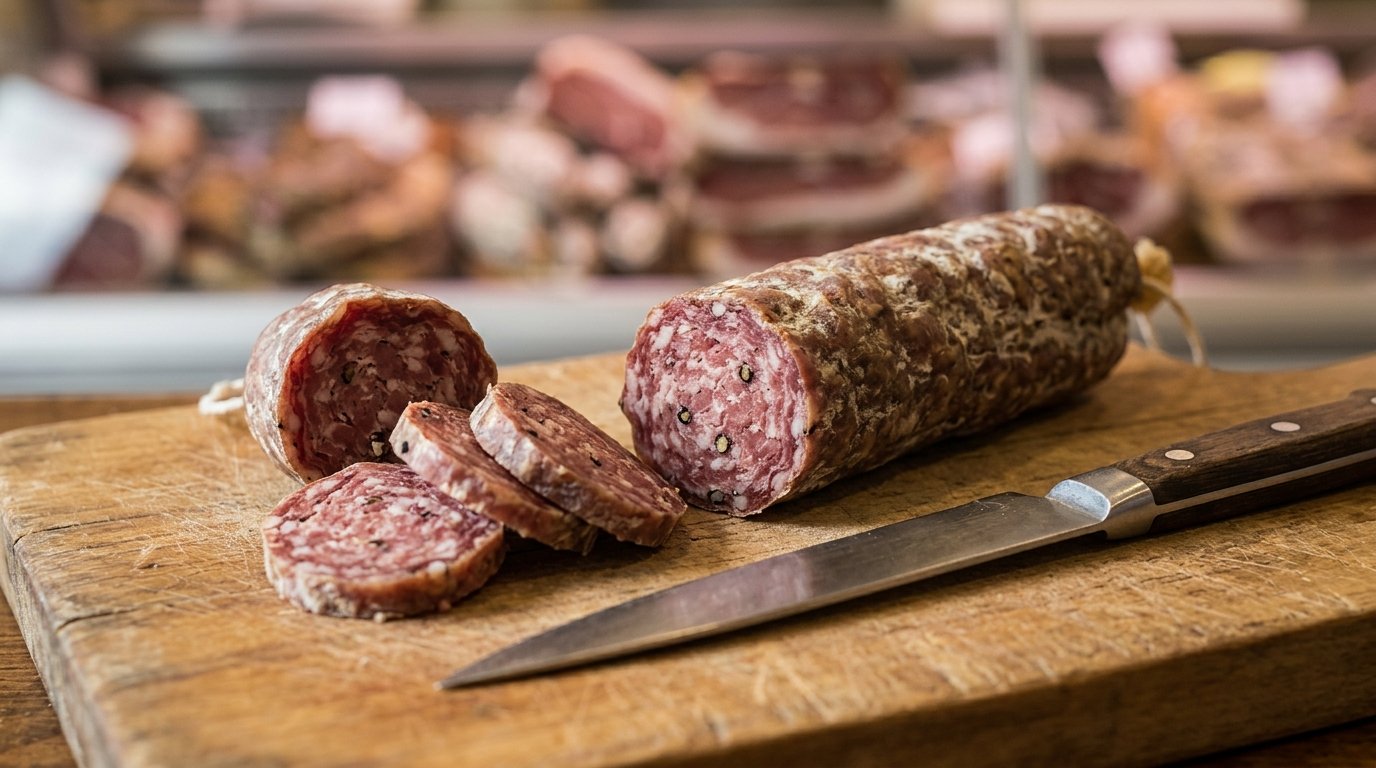
If you are wondering what is soppressata, the short answer is that it is a traditional Italian dry-cured sausage made primarily from pork. It belongs to the broader family of salami but has distinctive characteristics that set it apart.
Soppressata originated in Southern Italy, particularly in Calabria, Basilicata, and Apulia. Traditionally, families prepared it during winter as part of annual pork preservation rituals. The meat would be seasoned, stuffed into natural casings, and hung to cure over weeks or months.
One defining feature of soppressata is its coarse grind. Unlike smooth deli salami, soppressata contains larger chunks of meat and fat, giving it a rustic appearance and hearty bite.
The name comes from the Italian word meaning “pressed,” referring to the traditional curing method where the sausage was flattened slightly during aging.
Soppressata Pronunciation
Many first-time buyers are unsure about soppressata pronunciation.
The correct pronunciation is:
soh-preh-SAH-tah
The stress falls on the third syllable: SAH.
Although pronunciations vary slightly depending on region and accent, this pronunciation is widely accepted in English-speaking culinary circles.
Soppressata Meat: What Is It Made Of?
When people search for soppressata meat, they often want to know exactly what goes into it.
Traditional soppressata is made from:
- Pork shoulder
- Pork loin
- Ham cuts
- Pork fat
The fat is essential because it adds moisture, richness, and flavor during curing.
Seasonings usually include:
- Salt
- Black pepper
- Garlic
- Paprika
- Chili flakes
- Red wine
- Fennel seeds (in some recipes)
The exact spice blend depends heavily on the region and producer. Northern versions may be milder and more herb-forward, while Southern Italian styles often feature stronger chili heat.
Because of the curing process, soppressata develops deep umami flavors and a satisfying firm texture.
Soppressata Salami
A common question is whether soppressata salami is the same thing as salami.
The answer is yes and no.
Soppressata is indeed a type of salami, but salami itself is a broad category. There are dozens of salami styles across Europe, each with different ingredients, textures, and curing methods.
Think of it this way:
- All soppressata is salami
- Not all salami is soppressata
What makes soppressata unique:
- Coarse meat grind
- Rustic appearance
- Traditional Italian preparation
- Often spicy flavor profile
Its artisanal nature is one reason it is prized among food enthusiasts.
Soppressata vs Salami
The comparison of soppressata vs salami is popular because people often confuse the two.
Texture
Soppressata is chunkier and coarser. Regular salami is usually finer and smoother.
Shape
Traditional soppressata may appear flattened or slightly irregular. Regular salami is commonly cylindrical.
Flavor
Soppressata often tastes stronger, richer, and more complex. Regular salami can range from mild to strongly seasoned.
Production
Many commercial salamis are mass-produced. Soppressata is more commonly associated with artisanal curing traditions.
In terms of eating experience, soppressata offers more bite and stronger meat flavor, while regular salami may feel softer and more uniform.
Spicy Soppressata
One of the most popular versions is spicy soppressata.
Spicy soppressata usually includes:
- Calabrian chili
- Red pepper flakes
- Cayenne
- Hot paprika
This style is especially associated with Calabria, a Southern Italian region famous for spicy cuisine.
The flavor profile includes:
- Bold pork richness
- Chili heat
- Garlic depth
- Slight smokiness
Spicy soppressata is especially popular in:
- Pizza
- Panini
- Charcuterie boards
- Pasta dishes
Many chefs prefer spicy soppressata because it adds heat without overpowering other ingredients.
Hot Soppressata
People often ask if hot soppressata differs from spicy soppressata.
The difference is mostly about heat level.
Spicy soppressata may offer mild to medium heat, while hot soppressata is designed to deliver a stronger chili kick.
Hot soppressata often features:
- More visible chili flakes
- Deeper red coloring
- Stronger pepper aroma
- More lingering heat
This version appeals to people who enjoy bold, fiery flavors.
Despite the spice, high-quality hot soppressata still preserves balance. The best versions allow pork flavor and spice to complement one another rather than letting heat dominate.
Soppressata Pizza
One of the biggest reasons for soppressata’s rising popularity is soppressata pizza.
Pizza lovers increasingly choose soppressata as a premium topping over traditional pepperoni.
Why does soppressata work so well on pizza?
It Crisps Beautifully
When baked, the edges become slightly crisp while the center remains tender.
Rich Flavor
Rendered fat enhances the sauce and cheese.
Better Texture
Its rustic slices create a satisfying bite.
Balanced Spice
It adds heat without excessive greasiness.
Popular soppressata pizza combinations include:
Classic Soppressata Pizza
- Tomato sauce
- Mozzarella
- Soppressata
- Basil
Hot Honey Soppressata Pizza
- Mozzarella
- Soppressata
- Chili oil
- Hot honey
White Soppressata Pizza
- Ricotta
- Mozzarella
- Garlic
- Soppressata
Burrata Soppressata Pizza
- Tomato base
- Soppressata
- Burrata
- Arugula
The slight spice and salty richness make soppressata ideal for gourmet pizza menus.
Soppressata vs Pepperoni
Another common comparison is soppressata vs pepperoni.
Though both are popular pizza meats, they differ significantly.
Origin
Soppressata is Italian.
Pepperoni is Italian-American.
Meat Blend
Soppressata is mostly pork.
Pepperoni often combines pork and beef.
Texture
Soppressata is coarse.
Pepperoni is smooth and finely ground.
Flavor
Soppressata tastes more artisanal and meat-forward.
Pepperoni is smokier and more processed in flavor.
Greasiness
Pepperoni releases more grease when baked.
Soppressata usually stays less oily.
Which Is Better: Soppressata or Pepperoni?
The answer depends on taste.
Choose soppressata if you prefer:
- Gourmet toppings
- Rich pork flavor
- Rustic texture
- Premium ingredients
Choose pepperoni if you prefer:
- Classic American pizza
- Greasier crisp edges
- Familiar spicy flavor
Many food enthusiasts describe soppressata as a more refined version of pepperoni.
That does not necessarily make it better for everyone, but it explains why upscale pizzerias increasingly feature it.
Nutritional Value of Soppressata
Soppressata is flavorful but should be enjoyed in moderation due to its sodium and fat content.
Average nutritional values per serving:
- Calories: 100–150
- Protein: 5–7g
- Fat: 8–12g
- Sodium: High
Benefits:
- High protein
- Rich flavor in small portions
- Satisfying and filling
Considerations:
- High sodium
- High saturated fat
- Processed meat
As with most cured meats, moderation is recommended.
How to Serve Soppressata
Soppressata is extremely versatile.
Popular serving ideas include:
Charcuterie Boards
Pair with:
- Cheese
- Olives
- Crackers
- Honey
- Nuts
Sandwiches
Works beautifully with:
- Ciabatta
- Provolone
- Arugula
- Roasted peppers
Pasta
Thin slices can be crisped and used like pancetta.
Pizza
One of the best premium toppings available.
How to Store Soppressata
Proper storage helps maintain freshness.
Unopened:
- Refrigerate until expiration date
Opened:
- Wrap tightly in wax paper or butcher paper
- Store in refrigerator
- Consume within 2–3 weeks
Avoid sealing it in airtight plastic for long periods, as this can trap moisture and affect texture.
Why Soppressata Is Growing in Popularity
Soppressata’s popularity has grown because modern consumers increasingly seek:
- Authentic food experiences
- Artisanal ingredients
- Premium pizza toppings
- Bold flavors
As gourmet pizza culture expands worldwide, soppressata continues gaining recognition.
Its appeal lies in combining:
- Tradition
- Flavor
- Versatility
- Culinary prestige
For many people, their first encounter with soppressata comes through pizza, but once discovered, it quickly becomes a favorite in many dishes.
Read More: River Russell Deary 2022: Everything to Know About Keri Russell’s Son
Final Thoughts
Soppressata is much more than just another cured meat. It represents generations of Italian culinary craftsmanship and offers a distinctive flavor profile that stands apart from standard deli meats. Whether you are exploring what is soppressata, learning soppressata pronunciation, comparing soppressata vs salami, or deciding between soppressata vs pepperoni, one thing becomes clear: this Italian specialty delivers exceptional flavor and versatility.
From classic charcuterie boards to gourmet soppressata pizza, this cured meat continues winning fans around the world. Mild, spicy, or intensely hot, every version offers a memorable eating experience.
At weeklyfanzine, we love exploring foods with rich cultural roots and bold flavors, and soppressata is a perfect example of how traditional ingredients continue shaping modern food trends.